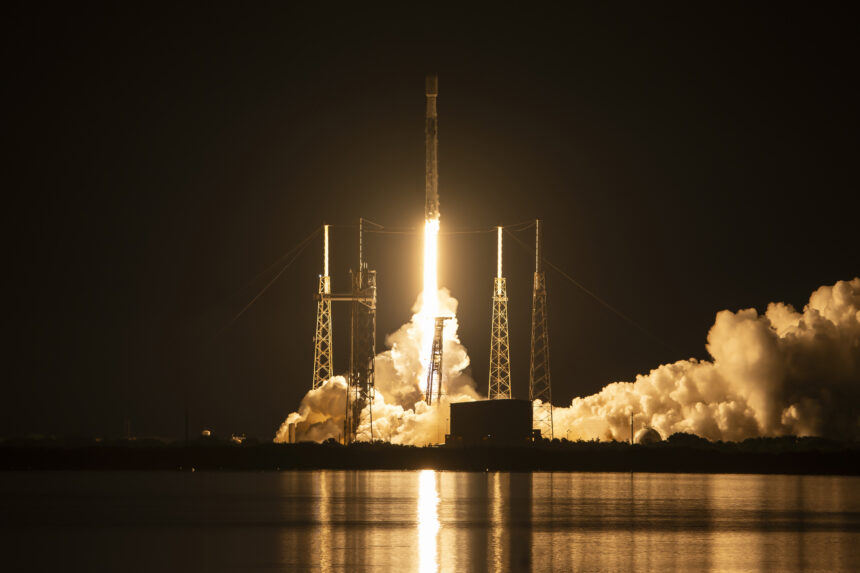
SpaceX has flown its final planned Falcon 9 Starlink mission from Florida, closing out a transformative seven year chapter for the company’s East Coast operations.
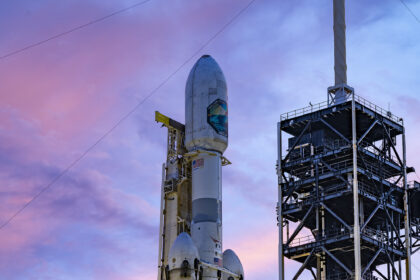
Kiko Dontchev, SpaceX’s Vice President of Launch, confirmed that the August 25 launch from Space Launch Complex 40 (SLC-40) at Cape Canaveral marked the end of the line for Falcon 9 Starlink flights from the Sunshine State. Moving forward, SpaceX will transition all East Coast Starlink deployments to its next-generation Starship vehicle. For now, Falcon 9 will continue launching Starlink missions from Vandenberg Space Force Base in California.
End of an Era
Appropriately, the final East Coast Starlink mission was carried out by the fleet leading Falcon 9 booster on its 37th flight, highlighting the company’s dramatic push toward rapid rocket reusability rather than serving as a traditional hardware retirement flight.
Watch Falcon 9 launch 29 @Starlink satellites to orbit from Florida https://t.co/lRI8clJkXZ
— SpaceX (@SpaceX) August 25, 2026Over roughly seven years, Falcon 9 launched approximately 260 Starlink missions from the Cape. This operational tempo transformed Florida’s launch infrastructure into the engine of SpaceX’s global satellite constellation, sending thousands of spacecraft into low Earth orbit.
The change does not mean Falcon 9 is leaving Florida. Customer missions will continue from the company’s East Coast launch infrastructure, including Falcon 9 and Falcon Heavy flights. What is changing is the vehicle used to build the Starlink constellation.
Starship Takes Over
Future Starlink launches from Florida will transition to Starship, with SpaceX preparing infrastructure at Kennedy Space Center and Cape Canaveral for the next generation vehicle.
There is currently no firm date for the first Florida Starship Starlink mission. Starship still needs to demonstrate reliable orbital operations before it can take over the high-volume role Falcon 9 has filled for years.
In the meantime, Starlink deployment will continue from Vandenberg. Falcon 9 will continue launching the smaller Starlink V2 Mini satellites, allowing SpaceX to continue expanding and replenishing the constellation while the larger V3 platform moves toward operational deployment.
Engineered for Starship
The transition is ultimately being driven by Starlink’s next generation.
Starlink V3 satellites were engineered specifically around Starship’s massive payload volume and lift capacity. SpaceX estimates a single Starship launch can deploy up to 60 V3 satellites, delivering roughly 20 times the total downlink capacity of a single Falcon 9 Starlink flight. Each individual V3 satellite is designed to supply up to 1 Tbps of bandwidth.
This makes Starship more than a replacement launch vehicle. It is the platform that allows SpaceX to scale Starlink to its next level.
The Swap to Starship Begins
For SpaceX, ending Falcon 9 Starlink launches from Florida clears the way for a much larger shift in launch operations.
Falcon 9 will continue supporting Starlink from California, but Florida is now being positioned around Starship. The next phase depends on SpaceX successfully completing the development and testing required to make Starship a reliable orbital launch system.
When that happens, the same Florida launch pads that helped build Starlink’s current constellation will begin deploying its next generation.