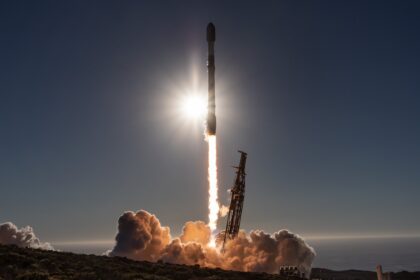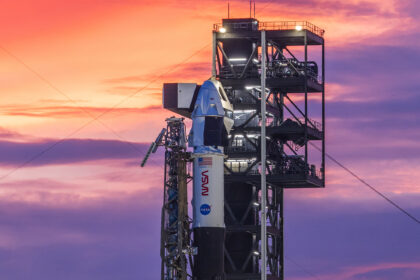
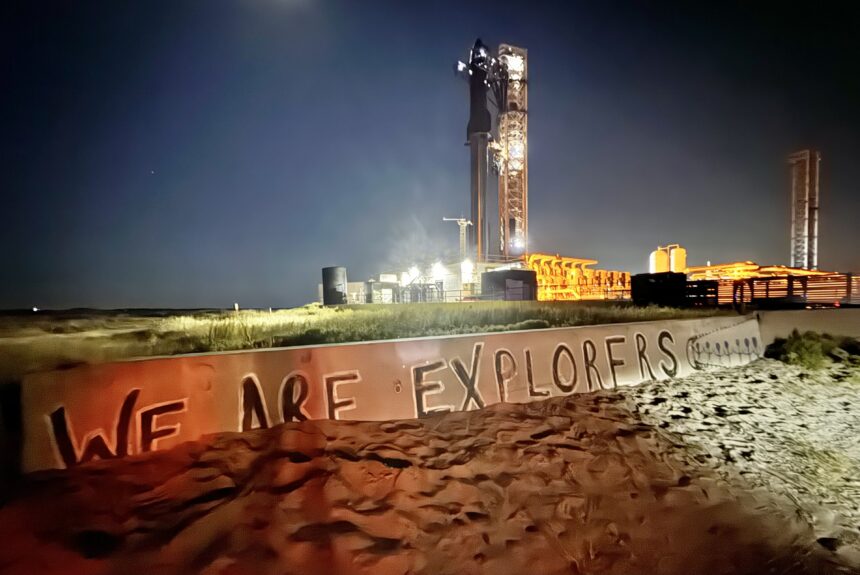
SpaceX is targeting Friday, Nov. 13, for Starship Flight 15, when it plans to try catching the upper stage at Starbase for the first time. The 75-minute window opens at 4:45 p.m. CT (5:45 p.m. ET), pending regulatory approval. Super Heavy would return within minutes. Starship would deploy 26 Starlink V3 satellites and spend more than 22 hours in flight before coming back to the same tower.
Starship is preparing for catch
Flight 15 is targeting to launch as early as Friday, November 13, pending regulatory approval → https://t.co/K5XRci6bnw pic.twitter.com/WS2xGLjVsx
— SpaceX (@SpaceX) November 7, 2026Super Heavy Comes Back First
The booster is due to separate about 2 minutes and 21 seconds after liftoff, then begin its boostback burn five seconds later. SpaceX is targeting a catch at about T+6:35. It would be the first catch attempt for a V3 booster. SpaceX caught three earlier V1 boosters, two of which flew again. The tower’s mechanical arms hold the booster above the pad after it shuts down.
The ship’s engines shut down about eight minutes into flight, leaving it on a suborbital path that leads to a cleared area in the Indian Ocean. If the ship passes its checks, a single sea-level Raptor is scheduled to fire for about 20 seconds at T+26:10 to put it into orbit.
26 Satellites and a Heat Shield Inspection
Starship is expected to start releasing satellites about 35 minutes after launch and finish around T+1:17:40. The ship would complete roughly 14 orbits at about 275 km. SpaceX rates each V3 satellite at 1 Tbps and says this batch carries about as much capacity as ten Falcon 9 launches of V2 Minis. The satellites would raise their own orbits and could begin serving customers within a few weeks, after checkouts.
Three of the satellites carry cameras to send operators images of Starship’s heat shield. The ship keeps Flight 14’s added tile retention hardware and changes to how hot gas can flow around the tiles. This time, a large area also uses curved tiles designed to reduce heating in the gaps.
SpaceX’s return-to-launch-site plan calls for checks throughout the coast, from engines and tanks to navigation and communications. The timeline gives controllers three chances to choose an ocean return, twice near Hawaii and once off Chile. If Starship clears the final checks, SpaceX plans to start the deorbit burn about 21 hours and 36 minutes after liftoff.
How SpaceX Plans to Catch the Ship
Reentry would start just over 22 hours into the flight. Starship would use its four flaps to steer over northern Mexico and southern Texas, around major Rio Grande Valley cities. The planned route takes it north of South Padre Island and over the Gulf before a final turn toward Starbase’s Pad 2 tower.
Three sea-level Raptors would ignite to flip the ship upright. It would drop to two engines to move between the arms, then down to one as it slows to a near hover. The arms would close around fittings below the forward flaps, with engine shutdown and catch planned for about T+22:32:34.
SpaceX says it could command the ship to tumble and break up before reaching land or divert it into the Gulf late in the approach if the ship or tower can’t support a safe catch. Residents in Cameron County and nearby communities may hear sonic booms, depending on weather and other conditions.