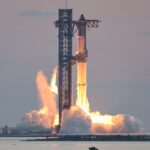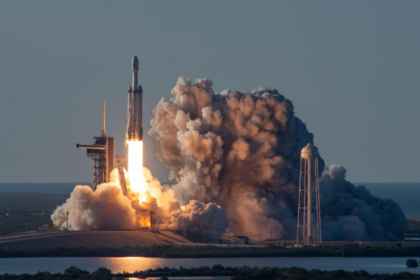
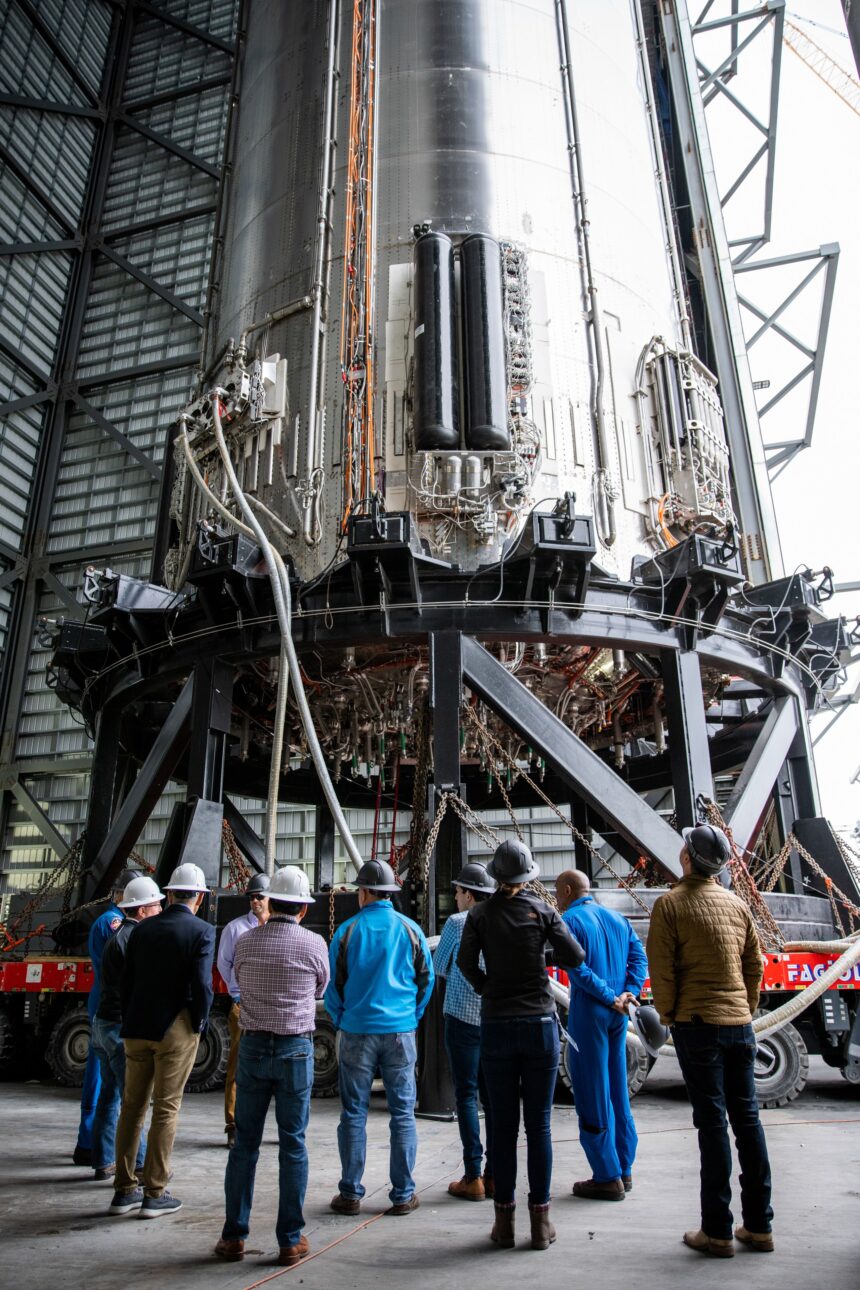
Super Heavy is the first stage of SpaceX’s Starship launch system. It is the long stainless-steel booster at the bottom of the stack, and its job is simple: produce enough thrust to lift the fully fuelled vehicle away from the pad, accelerate it through the thickest part of the atmosphere, and then hand the mission to the Starship spacecraft above it.
Like Starship itself, Super Heavy burns liquid methane and liquid oxygen in Raptor engines. The exact hardware has changed as SpaceX has moved through successive vehicle generations, and the most current is powered by 33 Raptor engine, standing 233 feet tall. What does not change is the basic architecture: a large cluster of Raptors provides enormous liftoff thrust, while the booster’s tanks and structure make up most of its height.
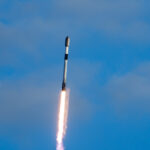
Super Heavy itself is not intended to reach orbit. After doing the energy-intensive first part of the climb, it separates from Starship and returns toward Earth. That makes it comparable in broad purpose to the first stage of Falcon 9, but the recovery method and sheer scale of Super Heavy are very different.
How Super Heavy Flies Home
During ascent, Super Heavy’s engines throttle and steer the rocket by changing the direction of their thrust. Near the end of the booster phase, most engines shut down while Starship ignites its own engines. This “hot-staging” sequence allows the upper stage to begin firing before the two vehicles have fully moved apart, reducing the loss of momentum during separation. A vented interstage section directs exhaust away from the booster.
Once clear of Starship, Super Heavy rotates and, when the flight profile calls for a return to the launch site, performs a boostback burn. Its engines reverse part of the booster’s downrange motion and guide it back toward Starbase. Four lattice-like grid fins near the top of the booster provide aerodynamic control as it descends through the atmosphere.
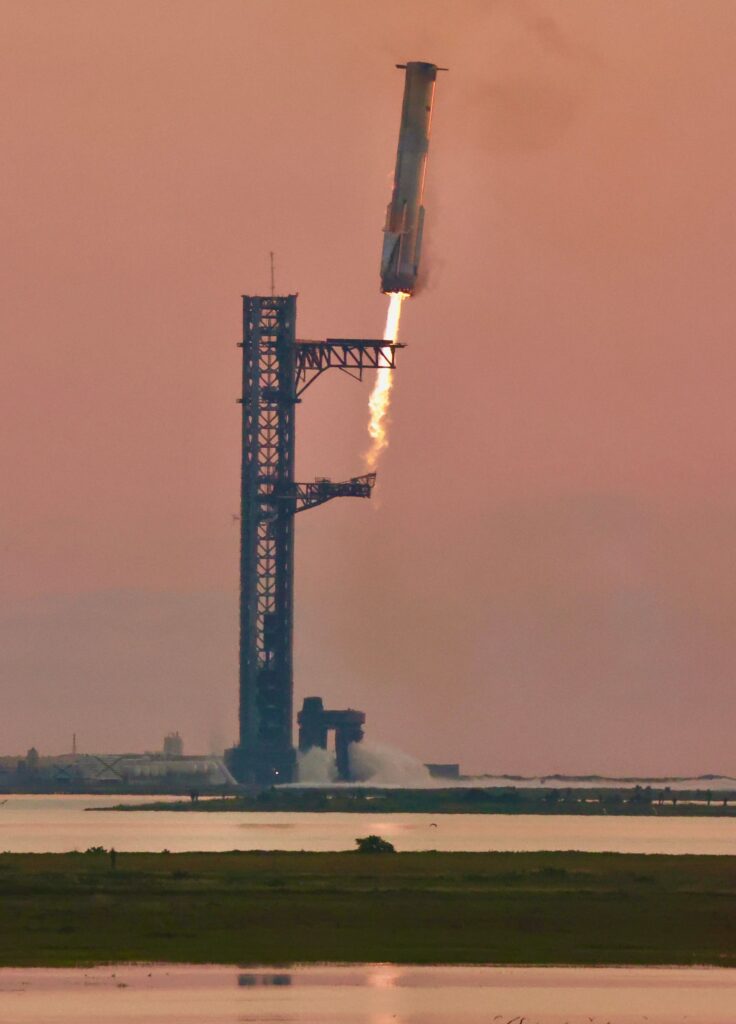
The final approach is powered. Super Heavy lights a group of engines to shed speed, then transitions to its centre engines for precise control near the tower. SpaceX has demonstrated booster returns and tower catches during the flight-test program, as well as offshore landing-burn and splashdown profiles. It has also reflown a previously used Super Heavy booster.
Those are some meaningful milestones, but Super Heavy is still a prototype for now.
Catching a Skyscraper
Falcon 9 lands on deployable legs, either on a concrete landing zone or an autonomous drone ship. Super Heavy is designed without conventional landing legs. SpaceX instead intends the launch tower’s large mechanical arms to close around the reinforced catch points on the arriving booster. The tower assembly itself is known as Mechazilla, and the arms are known as chopsticks.
Moving the landing hardware from the rocket to the tower offers two potential advantages. It avoids carrying the mass of large landing legs through the entire flight, and it returns the booster directly to infrastructure that can eventually inspect, refuel, and restack it. SpaceX’s broader goal is a launch system that can fly frequently without lengthy refurbishment.
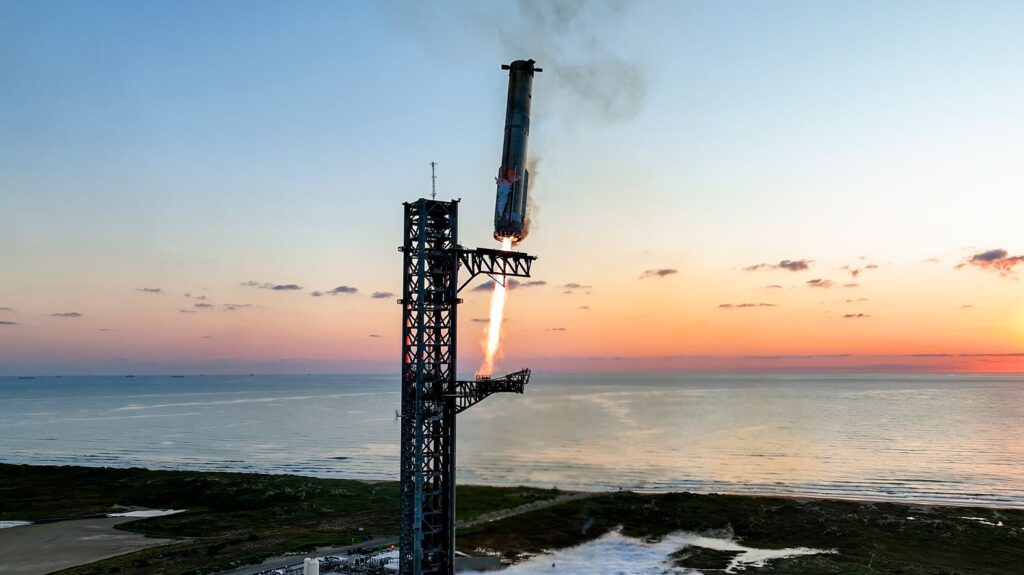
A catch is demanding, however. The booster must return to a narrow corridor beside an occupied launch tower, control its position and speed precisely, and arrive with healthy engines and guidance systems. SpaceX evaluates vehicle and tower conditions before committing to a catch; some tests are deliberately sent to an offshore landing point instead.
Super Heavy is therefore more than an oversized fuel tank with engines attached. It combines propulsion, guidance, aerodynamic control, and ground infrastructure into one recovery system. Our companion guide, “How a Starship Flight Works,” follows what happens after the booster has completed its part of the mission.