SpaceXAI has shipped an updated Grok Voice Transcribe 2.0 on the xAI Speech-to-Text API on Friday, 18 September. This transcription upgrade is priced at the same rates as 1.0, but comes with significant improvements for speech-to-text capabilities both for third-party developers using the API, as well as for Grok and Grok Bot, which use the same Voice Transcribe 2.0 behind the scenes.
For those already using xAI’s speech-to-text API, you can now move to Transcribe 2.0 when calling the API. Since there isn’t any additional costs or changes to how the API functions, but just model improvements, this is a big win for third-party developers.
Batch costs stay at $0.10 per hour, with streamed transcription at $0.20 per hour. This also includes diarization, word-level timestamps, and key-term biasing, making it a great solution for grabbing spoken voice out of videos, calls, or anything else.
Same Price, More Accurate Transcripts
SpaceXAI says Transcribe 2.0 is about twice as accurate as Transcribe 1.0 on its real-world evals, and that it ranks first for accuracy among streaming systems on the Artificial Analysis leaderboard. On hard audio in SpaceXAI’s internal tests, the company points to gains on telephony, spoken credentials, and short multilingual commands, including a short-phrase word-error-rate example that moved from 20.6% to 6.8%.
Transcribe 2.0 also comes with an updated model slug, grok-voice-transcribe-2.0, to support backwards compatibility for those using Transcribe 1.0. New features include batch and streaming transcription, up to eight channels, filler removal, formatting for numbers, dates, currencies, and emails, smart turn detection for voice agents, and automatic language detection with mid-recording language switches.
Existing STT integrations, SpaceXAI says, pick up the accuracy improvement with no code changes once they are on 2.0.
Loom Is Already On 2.0
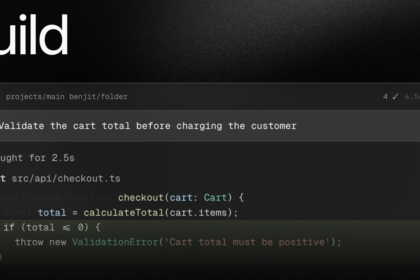
xAI’s news post says Loom uses Grok Voice Transcribe 2.0 for every video. Sanchan Saxena, SVP of Teamwork Collection at Atlassian, framed the loop from recorded context into code:
We’ve always believed the best way to move work forward is to capture context once and let it flow everywhere. With Grok powering Loom’s speech-to-text and Cursor turning that into code, we’re closing the loop from context to code: record what you mean, and the work gets done. It’s a glimpse of where AI-assisted development is headed.
With some major third-party API users backing Transcribe 2.0, that provides confidence to users that their flows won’t break, but instead be improved.
Default Coming; Pin 1.0 If You Need It
SpaceXAI plans to make 2.0 the default STT API and deprecate 1.0 in the coming weeks. Live docs still default to 1.0 when the model field is omitted, so teams that must stay on the older model should pin grok-voice-transcribe-1.0 during the transition. Release notes and the speech-to-text docs carry the slug and migration detail.
Until the default flips and Transcribe 1.0 is eventually deprecated, the best path forward is to adopt 2.0 for new work, given the same hourly rates and improvements in the overall model. You can always pin your app to use 1.0 where you need old behaviour, but it won’t be there forever.