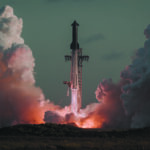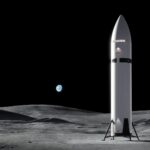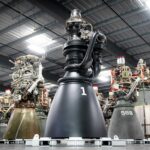
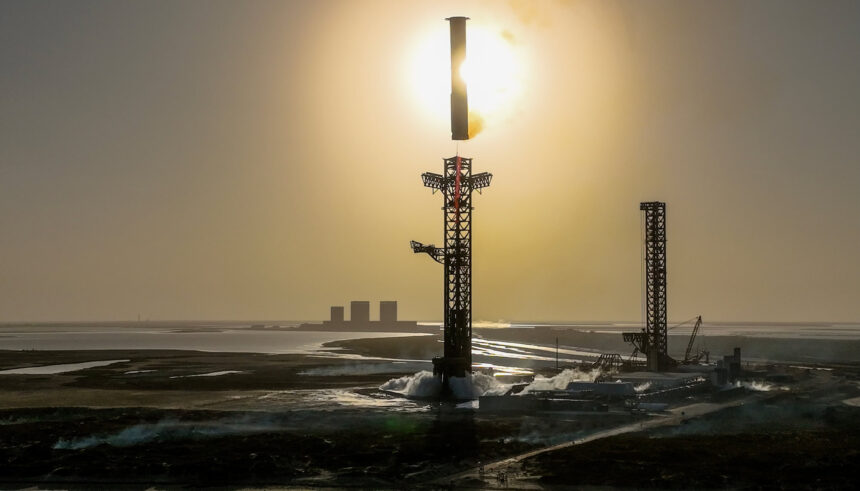
SpaceX has figured out how to catch a rocket in midair. Mechazilla, the launch tower at Starbase, uses two enormous mechanical arms to catch the returning Super Heavy booster instead of letting it land on legs. The booster flies back to the pad, hovers beside the tower, and settles onto the arms, which hold it in place.
The manoeuvre is unprecedented in orbital rocketry, and SpaceX has already pulled it off three times.
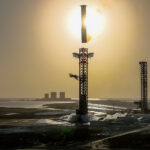
What Mechazilla Is
Mechazilla is the name commonly used for the entire tower-based launch and landing system. Elon Musk coined the name as a nod to Mechagodzilla, the robotic monster featured in the 2021 film Godzilla vs. Kong.
The system includes the steel tower, a carriage that travels up and down it, and two mechanical arms nicknamed the chopsticks. The arms lift Super Heavy onto its launch mount before flight and place Ship on top. After launch, the same system is designed to catch the returning booster.
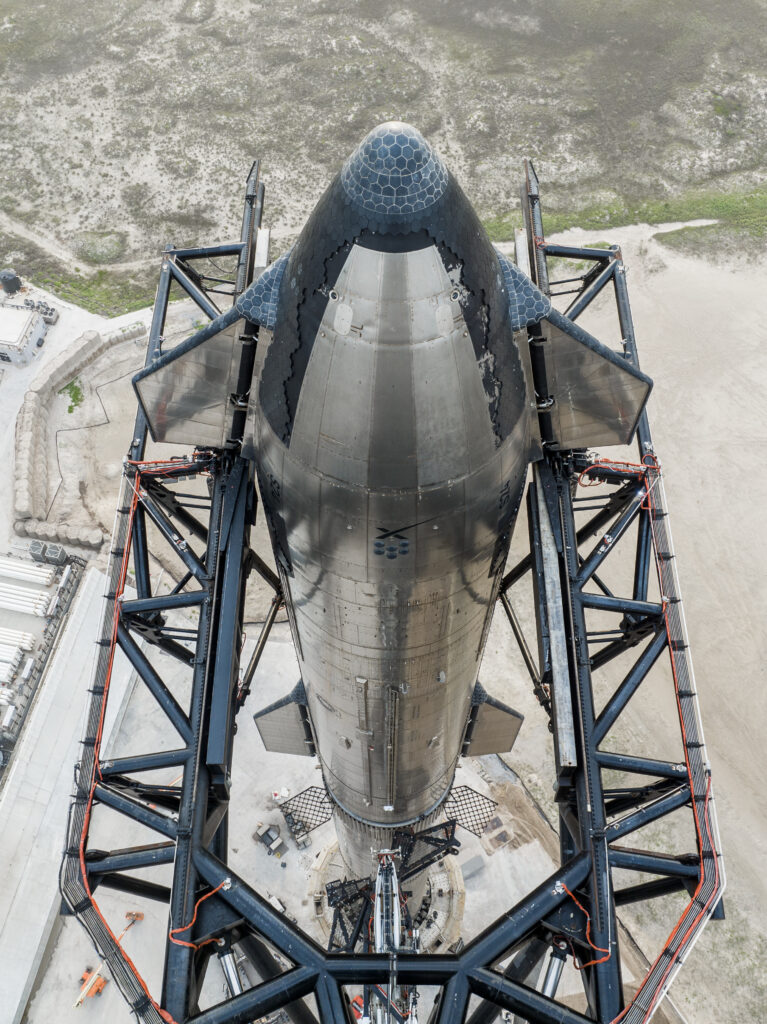
Super Heavy has two reinforced catch points near its top that protrude from the vehicle. During a catch, these hardpoints settle onto the arms, allowing the tower to support the booster’s weight without squeezing its propellant tanks.
Starbase now has two launch towers. The original tower handled all three successful catches, while Pad 2 has supported launches since Starship’s Version 3 debut in May 2026.
Why Catch a Booster at All
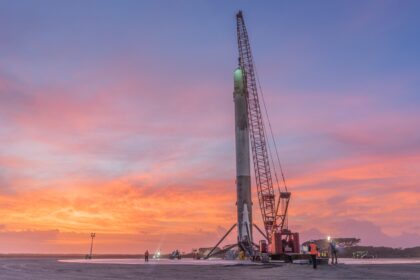
Falcon 9 lands on four legs that deploy just before touchdown. Starship is a much larger vehicle, with the full stack weighing nearly 10 times more than a Falcon 9 at liftoff. Landing legs strong enough to support Super Heavy would add considerable mass to a rocket that must carry them all the way to orbit and back.
Mechazilla moves that hardware off the rocket and onto the ground. The booster can return without carrying its own landing gear, leaving more mass available for payload and other systems.
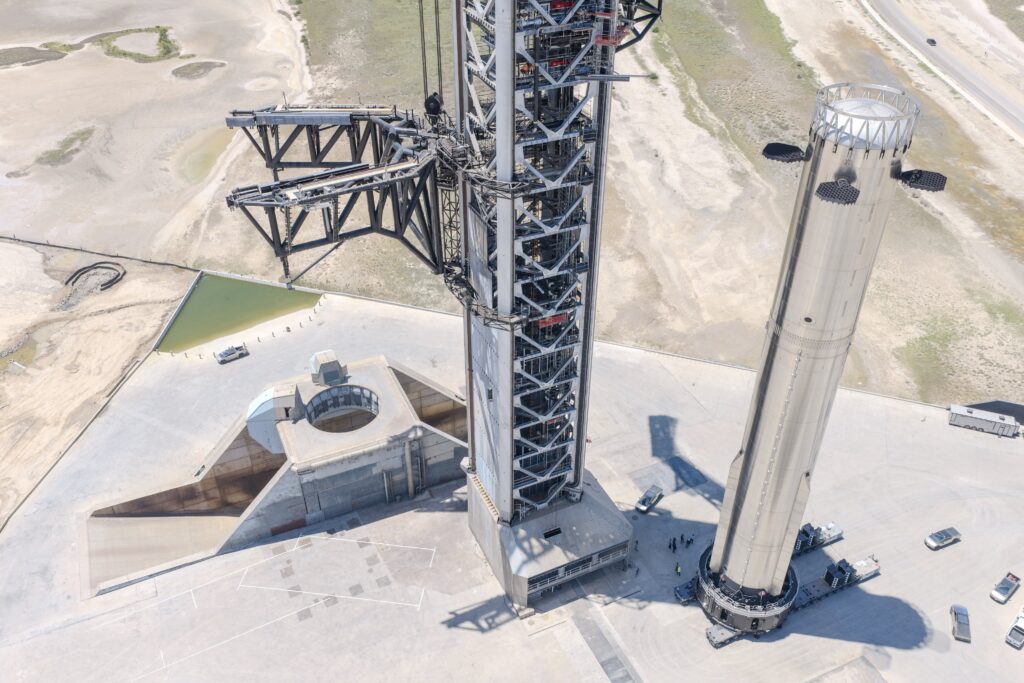
There is also a major turnaround advantage. Once caught, Super Heavy is already beside its launch mount. In principle, the arms can place it back on the mount, lift Ship onto the booster, and prepare the stack for another flight without transporting the booster elsewhere.
That is central to SpaceX’s goal of rapid Starship reuse. The company says both Super Heavy and Ship are designed to return to the launch site, be caught by the tower, and fly again without refurbishment.
How a Catch Works
About two and a half minutes after liftoff, Ship separates from Super Heavy in a manoeuvre called hot staging. The booster then flips around and performs a boostback burn, reversing its course toward Starbase. As it descends through the atmosphere, its grid fins help steer it toward the landing site.
Near the tower, Super Heavy ignites its engines for the landing burn and slows to a near-hover. It carefully manoeuvres into the gap between the open arms, allowing its catch points to settle onto them. The arms secure the booster, and its engines shut down.
The return takes roughly seven minutes from liftoff to catch.
Not every flight attempts a tower catch. Before Flight 5, SpaceX explained that thousands of criteria involving the booster and tower had to be satisfied before the flight director could give permission to land. If anything looked wrong, the booster would instead be diverted to a splashdown in the Gulf of Mexico.
Starbase had only one operational launch tower before Pad 2 came online, meaning any damage could have halted launches from the site. SpaceX therefore took a cautious approach, with many subsequent flights targeting offshore splashdowns to test new hardware and manoeuvres without risking the tower.
Every Catch So Far
SpaceX achieved its first successful catch on Flight 5, on October 13, 2024. Booster 12 returned to Starbase and was caught by the chopsticks on its first attempt.
A day later, the company released footage from the tower itself, revealing just how close the booster comes to the massive arms during the manoeuvre.
The attempted catch records include:
- IFT-5, October 13, 2024: Booster 12 successfully caught.
- IFT-6, November 19, 2024: Catch attempt called off; booster diverted to the Gulf.
- IFT-7, January 16, 2025: Booster 14 successfully caught.
- IFT-8, March 6, 2025: Booster 15 successfully caught.
Booster 14 later flew again on IFT-9, marking the first reuse of a Super Heavy booster. Since IFT-8, however, SpaceX has not completed another tower catch.
The first Starship V3 flights introduced additional challenges. On IFT-12 and IFT-13, booster recovery attempts ended in hard water impacts after problems arose during the return sequence. IFT-14, in September 2026, ended with a controlled splashdown as planned.
The Risk of Catching at the Pad
Mechazilla makes the launch tower one of SpaceX’s most important pieces of ground infrastructure. A booster arriving off target or suffering engine failures during its final descent could strike the arms or tower, potentially taking the entire pad out of service.
That is why SpaceX keeps the decision to attempt a catch until late in the flight. The booster can initially target an offshore point and turn toward the tower only after its systems and recovery conditions meet the required criteria.
Having two towers at Starbase reduces the risk of a single incident disrupting the entire launch operation. SpaceX is also preparing its first Starship launch facilities in Florida at Launch Complex 39A, which would provide another location for Starship to operate.
The Final Piece of the Puzzle
Catching Super Heavy is only half the challenge. For Starship to achieve the rapid, fully reusable operations SpaceX envisions, the company also needs to recover Ship itself.
That is a considerably harder task. Ship returns from orbit at much higher speeds than the booster encounters during its return, exposing its heat shield to extreme temperatures. It must then perform a controlled flip and landing burn before reaching the tower with enough precision for the arms to catch it.
SpaceX has yet to attempt a tower catch of Ship and has not announced when it plans to try. Once both stages can return to the tower and fly again, Mechazilla will have delivered on its biggest promise: turning Starship from a rocket that must be recovered into one designed to return directly to the launch pad and fly again.