SpaceX’s Starlink Mobile division, working with Airtel in the Democratic Republic of Congo, has begun providing connectivity via apps and messaging as of August 14, 2026. The announcement marks the DRC as the first African country to activate SpaceX’s Direct-to-Cell service.
Airtel’s launch material also advertised a 30-day trial for the new features through the MyAirtel app, along with restricted eligibility to supported Android devices in the country.
Direct-to-Phone for Airtel
The new service in the DRC matches SpaceX’s offerings in many countries, and is focused on users who have no conventional cell signal, but can see the sky. Compatible LTE-capable Android smartphones can connect to the Starlink network overhead, which act as a mobile network tower in orbit.
Starlink’s satellites carry the traffic back into the terrestrial telecom system, enabling customers to access SMS messages and light-data applications, including 3rd-party messaging services like Signal and WhatsApp, which are both popular in the country.
Customers need a compatible Android phone, an active Airtel DRC data bundle or data roaming, and registration through the MyAirtel app. The promotional campaign also offers eligible users a free 30-day trial.
For now, pricing and full details for the service have yet to be confirmed.
No Voice, Limited Data, But Still Useful
Voice capabilities aren’t part of the new DRC service, nor are general high-bandwidth mobile internet capabilities under Starlink Mobile V1. SpaceX’s service however, offers key emergency messaging capabilities in areas of the DRC which are off the grid or further away from settled areas, letting customers communicate as long as they can see the sky.
While that may not seem very important for the average user, the DRC is a large country with difficult terrain. That means conventional cell tower coverage can be expensive to deploy, and for many, this may be their best way to communicate.
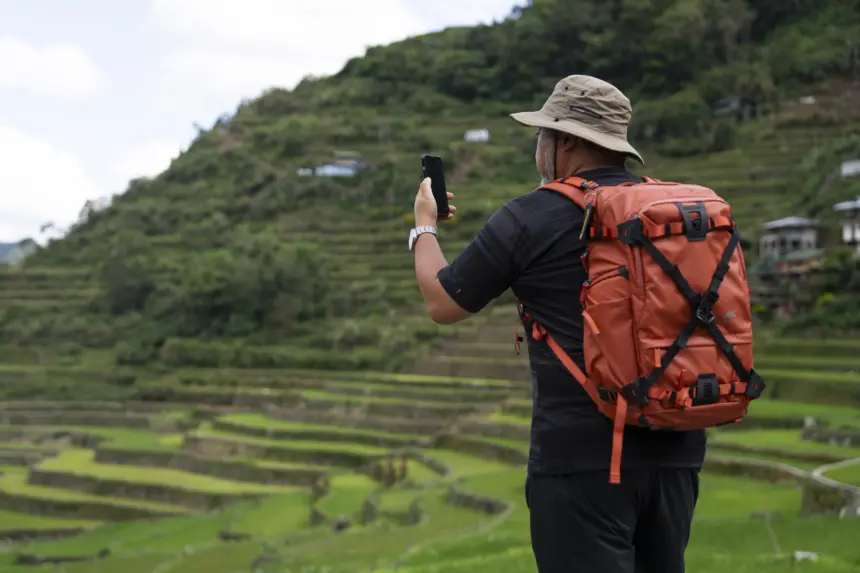
It can also provide a basic means of backup communications for travellers, logistics operators, health workers, farms, mines, and humanitarian teams operating beyond the limited conventional cell network.





![Falcon 9 to Launch SDA Tranche 1 Transport Layer A [Scrubbed]](https://thegridfin.com/wp-content/uploads/2026/07/SpaceX_SLC_4E_01-150x150.jpg)